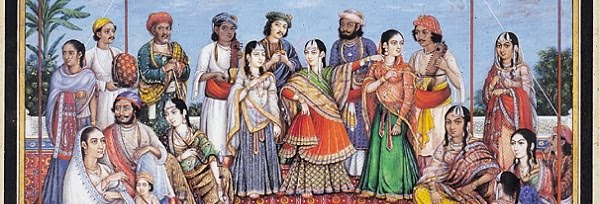
Raga Sarang is a classical Indian musical scale or melodic mode that is often associated with a specific set of ascending and descending musical notes. It is a popular raga in both Hindustani and Carnatic classical music traditions.
In Hindustani classical music, Raga Sarang is typically performed during the late afternoon or early evening. The raga is characterized by a pentatonic scale and is known for its melodic beauty and emotional expressiveness. The specific notes that make up Raga Sarang can vary slightly, as there are different variations and styles associated with this raga.
In Carnatic classical music, Saranga is considered equivalent to the Hindustani Sarang. Like its Hindustani counterpart, Carnatic Saranga is known for its emotive appeal and is often used to convey a sense of longing or romance.
Aaroh
sa re ma pa ni sa
Avaroh
sa ni pa ma re sa
Lakshan Geet # 1
Sarang ragini gavat guni,
ga dha verjit sur odav swarupini,
dou nishad ras veer mani (antara)
vadi reshabh samvadi pancham,
samay susammat ya din maadhyam,
sohad sangat pa ni pa ma re sa. (back to start)
Lakshan Geet # 2
Banksi vat jamuna tat,
nirakhat banvari,
ata sugandha mand mand,
chalat pawan pyari (antaraa)
chandra vadan sham rasik
mukut chandra shees lasat,
chandra mukhi priy sharad
chandani ujari (back to star)