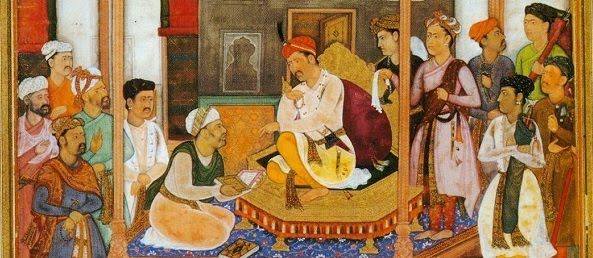
Raga Kalavati is a popular raga in both Hindustani and Carnatic classical music traditions. It is known for its devotional and contemplative mood and is often performed during the late evening or night. The raga is considered to be suitable for expressing a range of emotions, including love, devotion, and pathos.
Key characteristics of Raga Kalavati include:
Important!! (Notation)
Capital Letter: High Notes
Exclamation Mark (!) mean longer notes.
Time of Day
Prahar 6
Aaroh
Sa Ga Pa Dha Ni SA
Avaroh
SA Ni Dha Pa, Ga Pa Dha Pa Ga Sa
Pakad
Sa Ga Ga Sa, Sa Ga Pa Ga Sa, -2
Sa Ga Pa Dha Pa Ga Sa, Sa Ga Pa Dha Ni Dha Pa Ga Sa,
Sa Ga Ga Sa, Sa Ga Pa Ga Sa,
Sa Ga Pa Dha Pa Ga Sa, Sa Ga Pa Dha Ni Dha Pa Ga Sa,
Sa Ga Pa Dha Ni SA
SA Ni Dha Pa Ga Sa
SA Ni Dha Pa Ga Sa, Ni Dha Sa, Ni Dha Sa, Ni Dha Sa,
Sa Ga Ga Sa, Sa Ga Pa Ga Sa,
Sa Ga Pa, Sa Ga Ga Sa,
Sa Ga Pa Ga Sa, Sa Ga Pa Dha Pa Ga Sa,
Sa Sa Ga Ga Pa Pa Dha Dha Pa Pa Ga Ga Sa,
Sa Sa Ga Ga Pa Pa Dha Dha, Ni Ni Dha Dha Pa Pa Ga Ga Sa
Sa Ga Pa Dha Ni Dha SA, SA Ni Dha Pa, Ni Dha Pa Ga,
Dha Pa Ga Sa, Pa Ga Sa Ni, Ga Sa Ni, Dha Sa
Bandhishi (Tritaal)
Bolan Laagi Koyaliya -3
Bhramat Bhramar Madhu Maas Aaya - 2 (Back to first line)
Kal Kookaki Kunja, Gunjaar
Atahi Suhavan Nirakhat Chhaiya